
Iron Gate Repair in Dallas–Fort Worth
Dragging, sagging, or will not latch? It can be fixed.
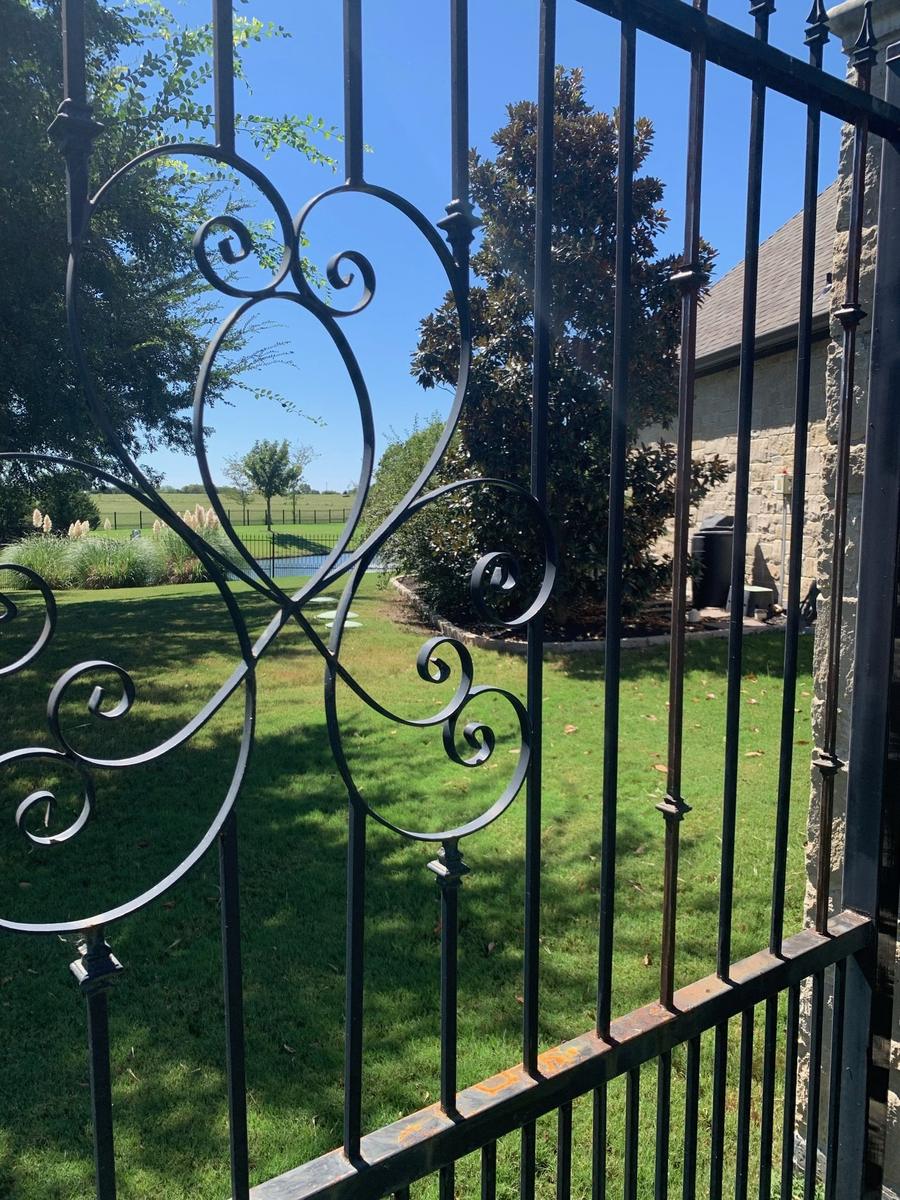
A gate that will not close is almost never a gate that needs replacing
Gates take more abuse than the rest of a fence. They swing, they slam, they carry their whole weight on two hinges and a post. So they are usually the first thing to go — dragging on the ground, sagging out of square, latching only if you lift it.
Nearly all of it is repairable. A post reset, a hinge rebuilt, a corner rewelded square. We repair iron gates across Dallas, Fort Worth and Rockwall, and most jobs are done in a day.
Not sure how bad yours is? See the four stages of iron fence rust and what each one costs to put right.
A gate that drags or will not latch usually means a post has moved. See leaning posts and sagging gates.
What actually goes wrong with an iron gate
An estimator comes out before any work is quoted. What he is looking for:
It drags
The gate catches the ground or the latch post as it swings. Usually a leaning post or a frame that has dropped out of square.
It sags
The far corner has dropped. The welds at the frame corners have flexed or cracked and the gate is no longer square.
It will not latch
The gate and the latch post have moved apart or out of line. Sometimes the latch itself has worn or rusted through.
Hinges
Worn, seized or rusted hinges, or hinges pulling out of the post because the post itself has shifted.
The post
A gate post that has leaned, lifted, cracked at the base, or was never set deep enough for the weight it carries.
Rust and broken metal
Rusted-through bottom rails, snapped pickets, failed welds — common on the bottom of a gate where water sits.
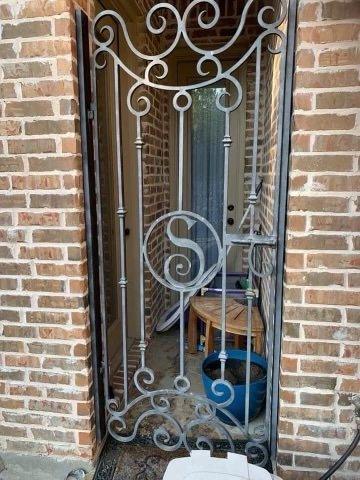
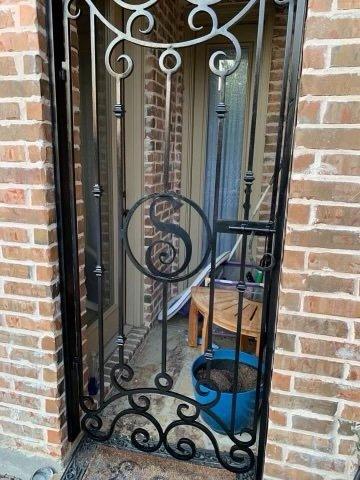
See the difference
Rusted, dropped and out of square, then rewelded, reset and finished by hand.
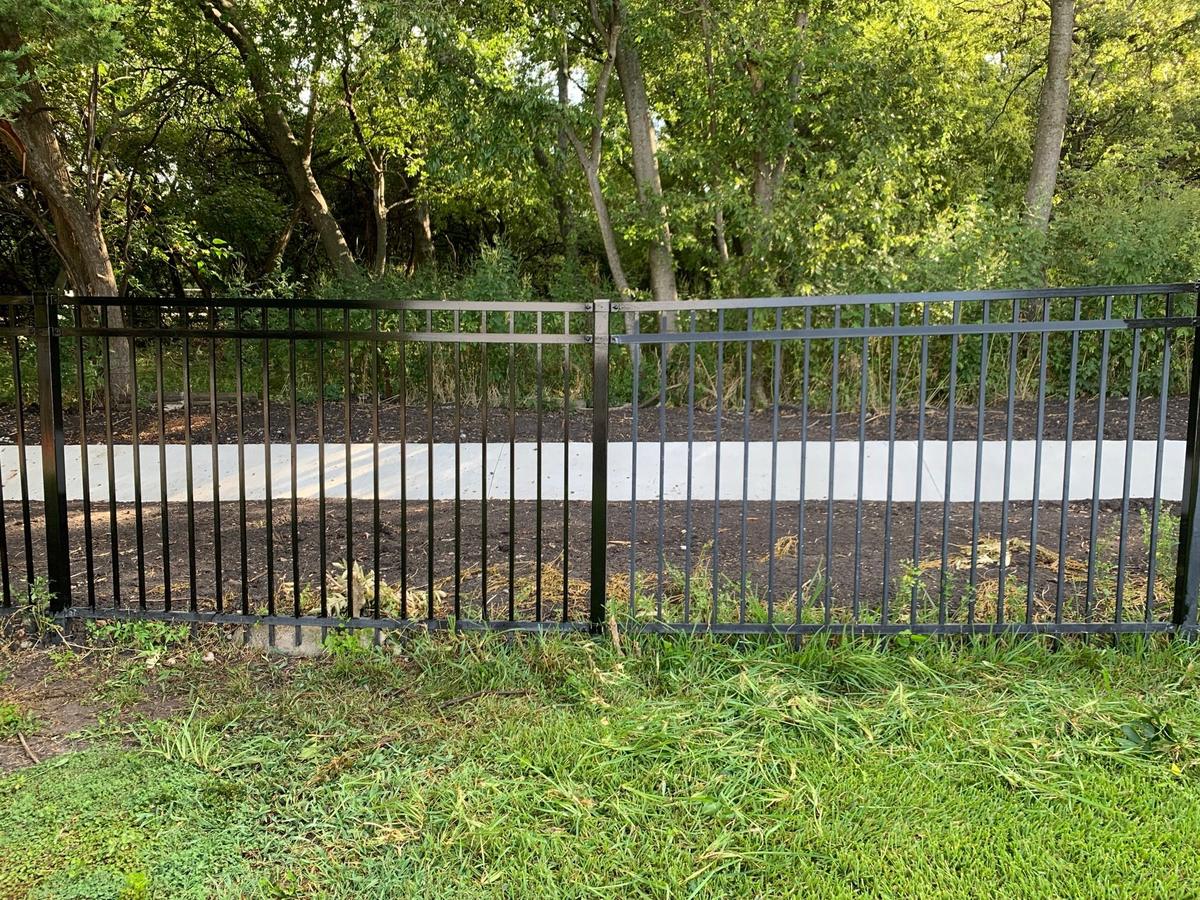
Why repair a gate instead of replacing it
A replacement gate means a new gate, new posts, and matching it to a fence that is already there — which on older ironwork is expensive and rarely matches well. The gate is usually not the problem. The post, the hinges or a cracked weld is.
Fix the cause and the gate you already have works properly again, for a fraction of the cost of replacing it.
- Our welds are guaranteed.
- Every completed job includes one free touch-up within the first year.
- Most gate repairs are done in a single day.
- Your gate keeps its original design and matches the rest of the fence.
How we repair an iron gate
Find the cause
A sagging gate is a symptom. We check the post, the hinges and the frame welds before touching the gate itself, because fixing the wrong thing means it drops again in a month.
Post work
A leaning or lifted post gets pulled and reset, or reattached solid at the base. If the post cannot carry the gate, nothing else we do will hold.
Frame and welds
Cracked or separated welds get rewelded and the frame pulled back square. Rusted-through rails and broken pickets are cut out and new metal welded in.
Hinges and latch
Worn or seized hinges are replaced or rebuilt, and the gate is rehung so it swings true. The latch is aligned so it closes without lifting.
Finish and test
Repaired areas are prepped and hand-painted with oil-based Rust-Oleum. Then we swing it, latch it and walk it with you before we leave.
Get a free estimate
Send a few photos of the gate, or a short video of it swinging, and we can usually tell you what is wrong before we come out.
Common questions about iron gate repair
My iron gate drags on the ground. Can it be fixed?
Almost always. Dragging usually means the post has leaned or the frame has dropped out of square. We reset the post, pull the frame back square and rehang the gate so it swings clear.
Why does my gate not latch anymore?
The gate and the latch post have moved out of line, or the latch has worn. Both are repairs. If you have been lifting the gate to get it to catch, that is the problem showing itself.
The gate post is leaning. Do you have to replace the whole gate?
No. The post is the problem, not the gate. It gets pulled and reset, or reattached solid at the base, and the gate goes back on it.
Can you fix a gate that has rusted through at the bottom?
Yes. The rusted metal is cut out and new metal welded in. The bottom rail is where water sits, so it is the most common place for an iron gate to rust through.
Do you repair rod iron gates?
Yes. Rod iron and wrought iron are the same thing, just said differently. Same gate, same repair.
How long does an iron gate repair take?
Most are done in a single day. A gate needing a post reset and concrete work may need a second visit once it has set.
Do you repair driveway gates as well as walk gates?
Both. Driveway gates are heavier and put more load on the posts and hinges, so post work is more often part of the job.
What about automatic gate openers?
We repair the gate itself — frame, posts, hinges and finish. If an operator is involved we will tell you whether the fault is the gate or the opener, because a dragging gate will burn out an operator.
Is the work guaranteed?
Our welds are guaranteed, and every completed job includes one free touch-up within the first year.
Do you work with HOAs and property managers?
Yes, regularly — including community entrance gates and shared access gates across multi-unit properties.