
Iron Fence Maintenance in Dallas–Fort Worth
Yearly maintenance that stops small problems early. Catch rust while it is still a touch-up, not a weld.
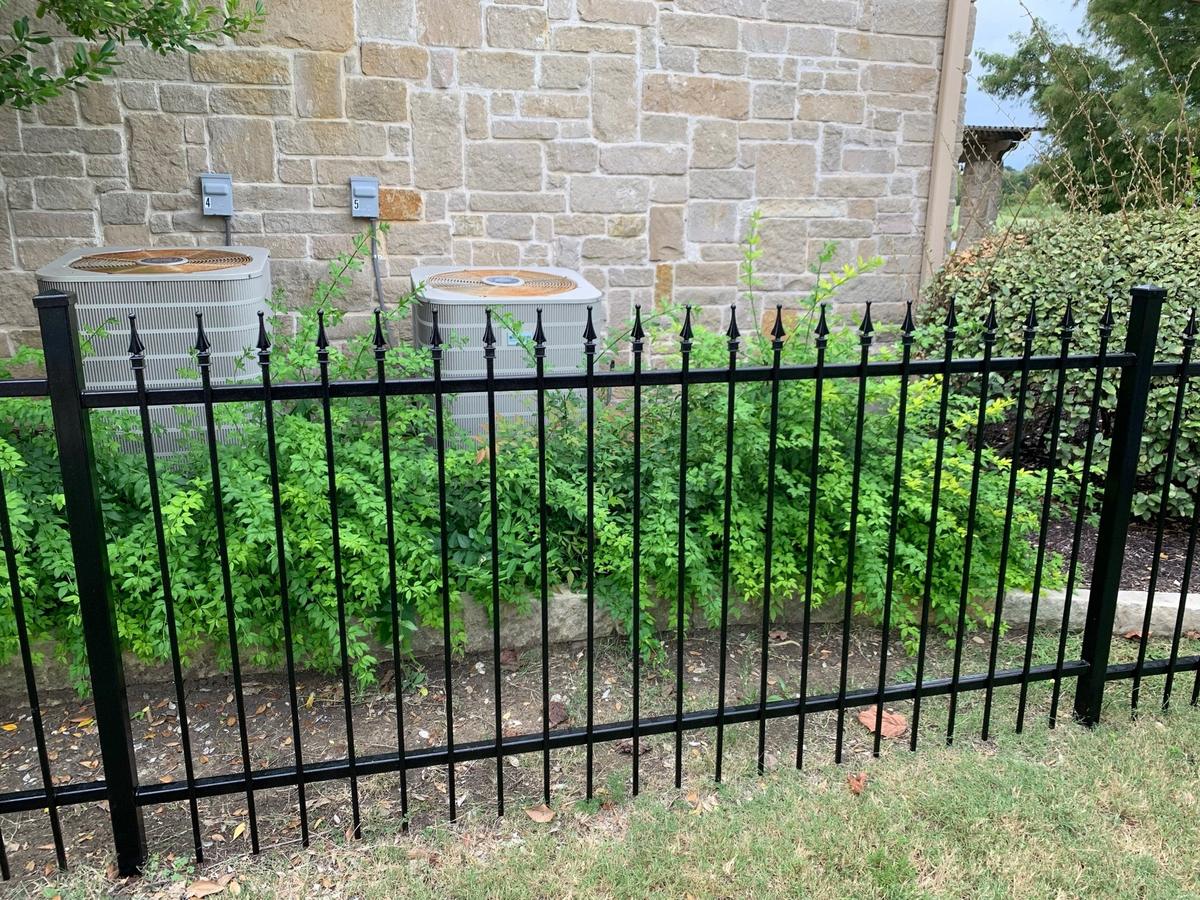
The fence you maintain is the fence you keep
Iron fails in a set order, and the order never changes. The finish wears thin. Moisture reaches bare metal. Rust starts at the bottom of a picket or where two pieces meet, because that is where water sits. Left alone, rust does not stay on the surface. It eats into the metal until the picket is thinner than it looks, and at that point the only honest fix is to cut the section out and weld new metal in.
Every stage of that costs more than the stage before it. Scraping back a small patch and putting a proper finish on it is a short visit. Replacing a rusted-through bottom rail is fabrication.
North Texas is hard on iron. Blackland prairie clay swells and shrinks with the weather, which lifts and leans posts. Sprinklers throw water at the base of a fence several times a week. Summer sun breaks down the finish from above while the ground works on it from below.
None of that is a reason to panic. It is a reason to look at your fence once a year instead of once a decade.
If the metal has already gone past what maintenance can hold, that is wrought iron fence repair — new metal welded in, then finished by hand.
Checking posts each year is how you avoid leaning posts and sagging gates later. We look at railings the same way.
We walk the whole run, not just the part you noticed
A maintenance visit covers the entire fence line, because the trouble is rarely only where you spotted it.
Rust caught early
Surface rust is scraped back to sound metal and sealed before it can go deeper.
Worn finish
Thin spots are repainted by hand so bare metal is never left exposed to the weather.
Gates adjusted
Hinges, latches and drag are corrected so every gate opens, closes and catches properly.
Posts checked
Leaning and lifting posts are caught early, while resetting one is still a small job.
Welds inspected
Joints and past repairs are checked for cracking, especially where a fence takes daily use.
Hardware tightened
Loose fasteners, sagging pickets and worn latch parts are dealt with on the spot.
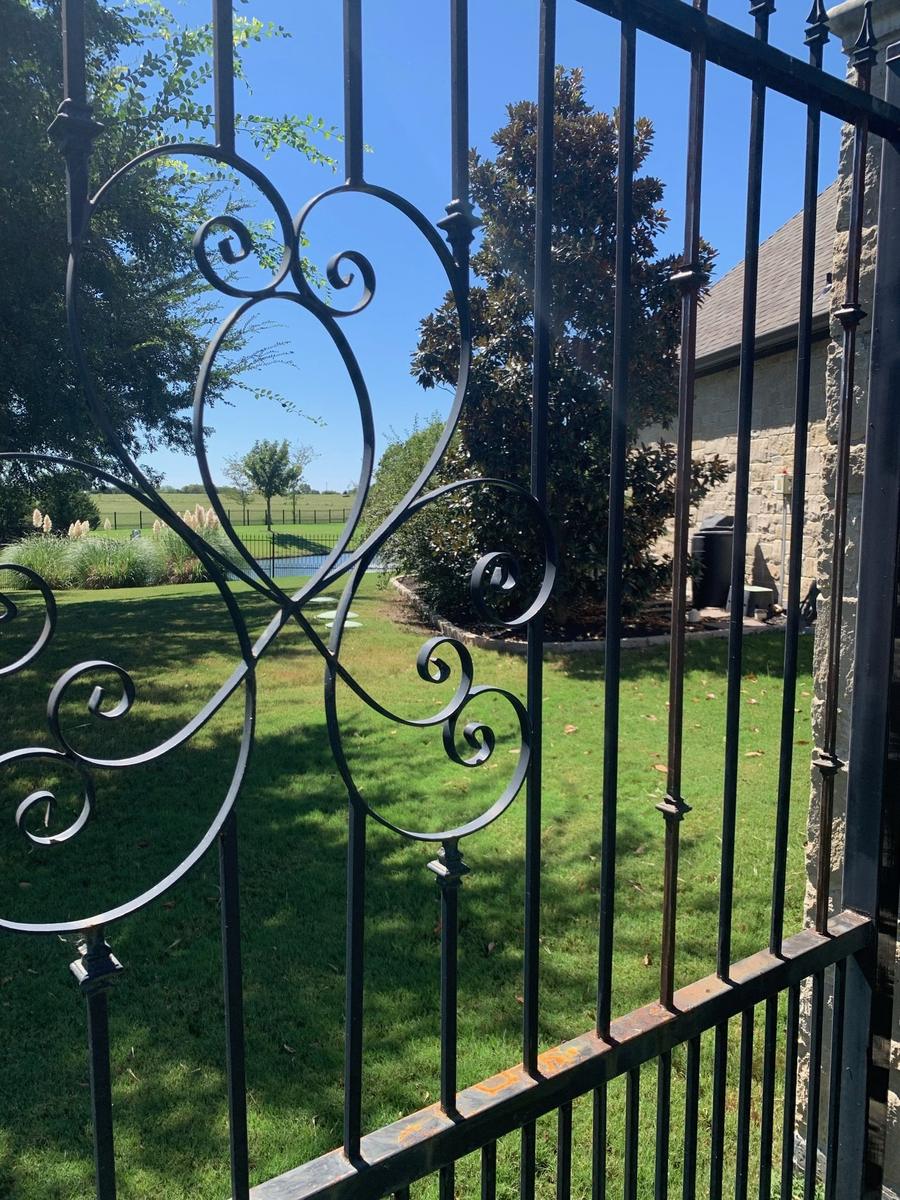
Painted by hand, not sprayed
We use oil-based Rust-Oleum with a rust inhibitor, painted on by hand. Spraying is faster, and it is why so many fences look good for a season and then flake. Painting by hand works the finish into the pitted metal and around the joints, which is exactly where rust starts. On a fence we have restored, touch-up work is carried across the whole run rather than spotted on one panel, so the repair never shows as newer paint. We do not put a number of years on a finish, because Texas weather does not either. What we will say is that a finish put on this way is measured in years, not seasons.
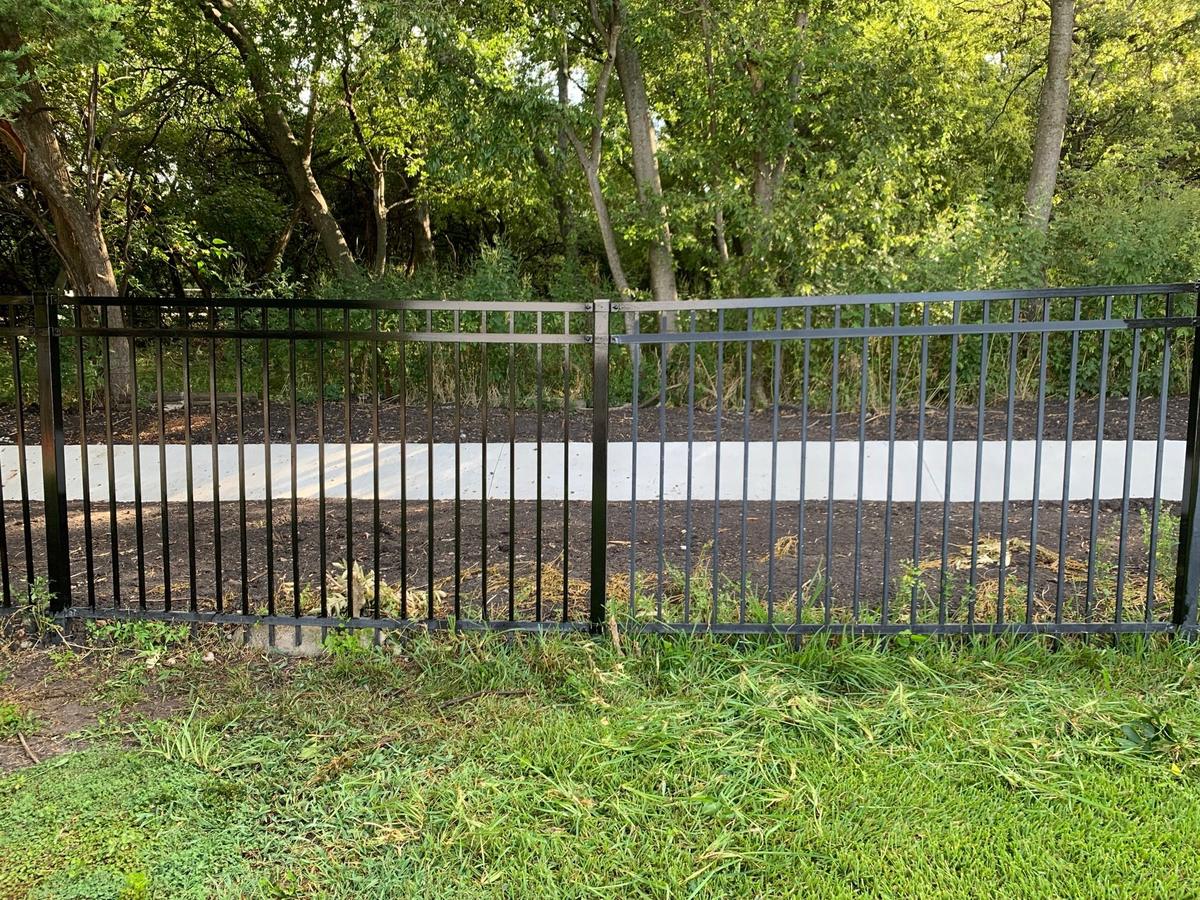
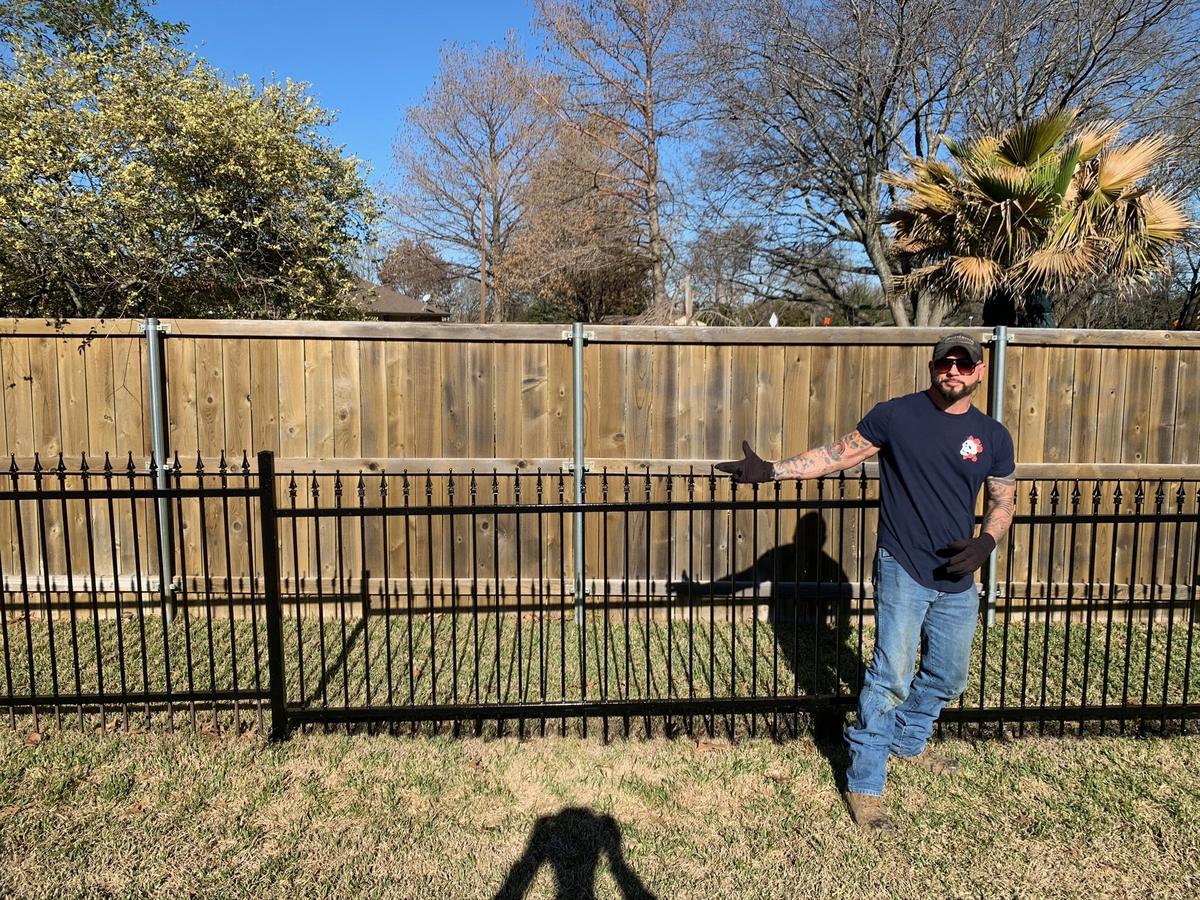
Maintenance or restoration
Which one you need depends on what the metal is doing, not on how old the fence is. If your fence only needs preparation and a finish, that is what we will quote. We would rather tell you it is fine than sell you work you do not need.
- Finish dull or chalky, no rust yet — maintenance. Preparation and a fresh finish.
- Surface rust, metal still sound underneath — maintenance. Scrape back, seal, repaint.
- Rust through a picket, rail or post base — restoration. New metal welded in, then finished.
- Gate dragging, posts leaning, sections pulling apart — restoration, and the sooner the better.
How a maintenance visit works
You call
Tell us what you are seeing. Photos of the worst spots help before we come out.
We look
We walk the full run and tell you what the metal is actually doing, not just the part you asked about.
Straight quote
Maintenance, restoration, or both, priced clearly. No pressure and no surprises.
The work
Most jobs take one to three days, depending on the length of the run.
Walkthrough
We go along the fence with you before we leave and make sure every gate works.
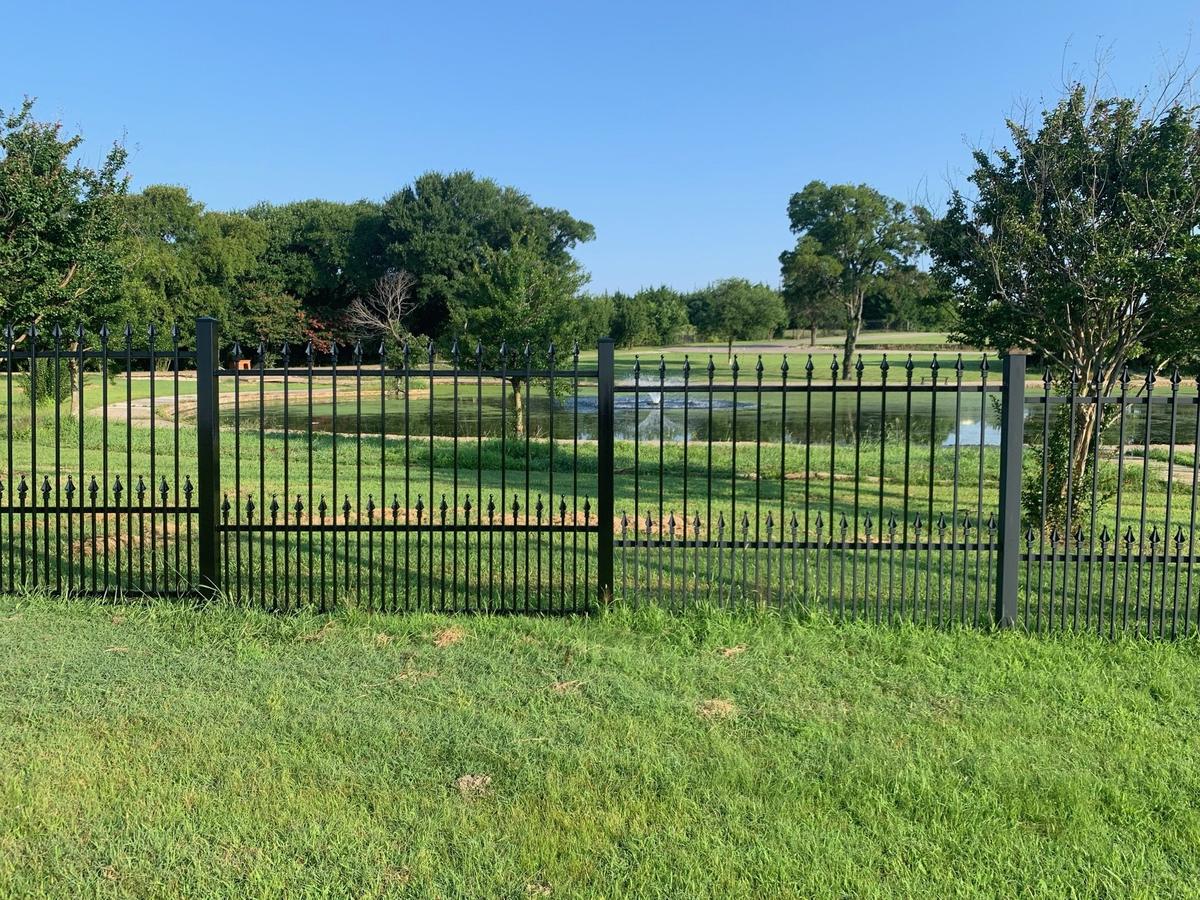
A yearly look costs less than a rebuild
Once a fence is restored, keeping it that way is the easy part. One visit a year catches what needs catching. If it has been more than a year since anyone looked at your iron, that is the point to call. Not when the picket breaks off in your hand.
Common questions about iron fence maintenance
How often does an iron fence need maintenance?
Once a year is right for most fences in Dallas–Fort Worth. If your fence is near a sprinkler line, along a lake or pond, or takes heavy daily gate use, it is worth looking at more often. Those are the spots where rust starts first.
What does iron fence maintenance actually include?
Scraping back surface rust to sound metal, sealing and repainting worn areas by hand, adjusting gates so they open and latch properly, checking welds and post bases, and tightening hardware. We walk the whole run, not only the area you called about.
Is maintenance cheaper than repair?
Considerably. Maintenance is preparation and finish work. Repair means cutting out failed metal and welding new metal in, which is fabrication. The longer rust runs, the further a fence moves from the first category into the second.
My fence already has rust. Is it too late for maintenance?
Usually not. Surface rust on sound metal is exactly what maintenance handles. What matters is whether the metal underneath is still solid. We can tell you that on site, and if it is beyond maintenance we will say so.
Do you paint by hand or spray?
By hand, with oil-based Rust-Oleum containing a rust inhibitor. Hand painting works the finish into pitted metal and into joints, which is where rust takes hold. Sprayed coatings tend to sit on the surface and flake early.
How long will the finish last?
We do not put a year count on it, because North Texas sun, clay and sprinklers treat no two fences the same. What we can say is that an oil-based finish with a rust inhibitor, painted on by hand and worked into the joints, lasts years rather than seasons. When it does need attention, that is a maintenance visit rather than a restoration.
What causes iron fences to fail in North Texas?
Three things, usually together. Clay soil that swells and shrinks, which lifts and leans posts. Sprinklers putting water at the base of the fence several times a week. And sun breaking down the finish from above. Rust starts where water sits: the bottom of pickets, the base of posts, and the joints.
I had my fence restored by you. Is maintenance included?
Every completed job includes one free touch-up in the first year. After that, a yearly visit keeps the finish ahead of the weather. Your welds are guaranteed either way. They do not depend on you keeping up the paint.
How long does a maintenance visit take?
Most maintenance work is done in one to three days, depending on the length of the run and how much preparation the finish needs. We will tell you before we start.
Do you cover my area?
We work across the Dallas–Fort Worth metroplex, including Rockwall, Heath, Rowlett, Dallas, Lucas, Frisco, McKinney, Plano, Allen, Wylie and Fort Worth. Distance is not a problem.