
Wrought Iron Fence Painting in Dallas–Fort Worth
Hand-painted, not sprayed.
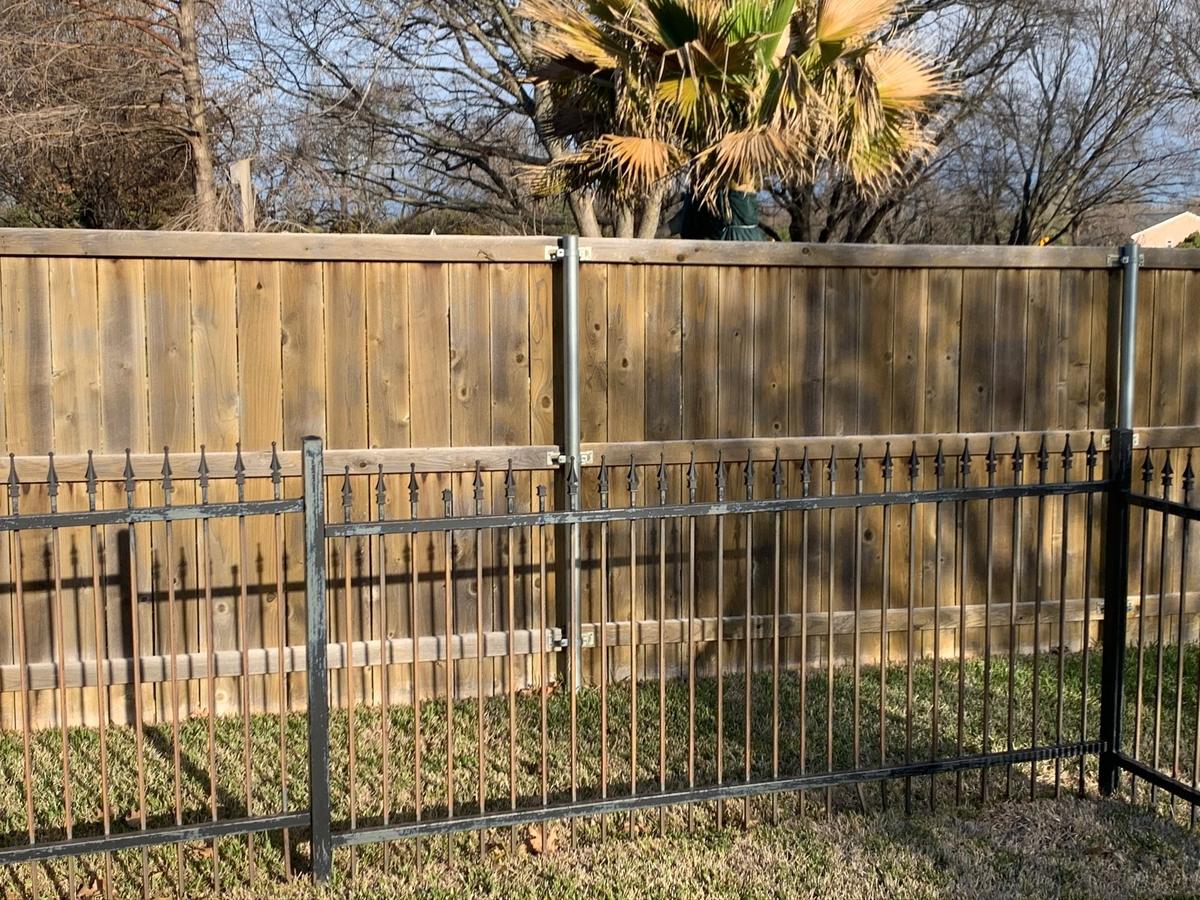
Paint is the only thing standing between your fence and rust
Iron does not fail because the metal gives out. It fails because the finish does. Once paint lifts and bare metal is exposed, rust starts, and from there it works inward until sections have to be cut out and replaced.
A fence finished properly holds for years. Finished badly, it starts flaking again within a season. The difference is almost entirely in the preparation and how the paint goes on.
Not sure how bad yours is? See the four stages of iron fence rust and what each one costs to put right.
What we look at before any paint goes on
An estimator comes out before the work is quoted. What he is checking for:
Failing paint
Old coats that have lifted, blistered or chalked and are no longer bonded to the metal.
Surface rust
Rust sitting on the surface that has to be taken back before any finish goes on.
Deep rust
Rust that has pitted or eaten through. That needs metal work first, not paint over the top.
Built-up coats
Layers of old paint, often sprayed on thin over material that was already failing.
Joints and seams
Weld seams, scrollwork and tight joints — where rust starts, and where a sprayer never reaches.
What is behind it
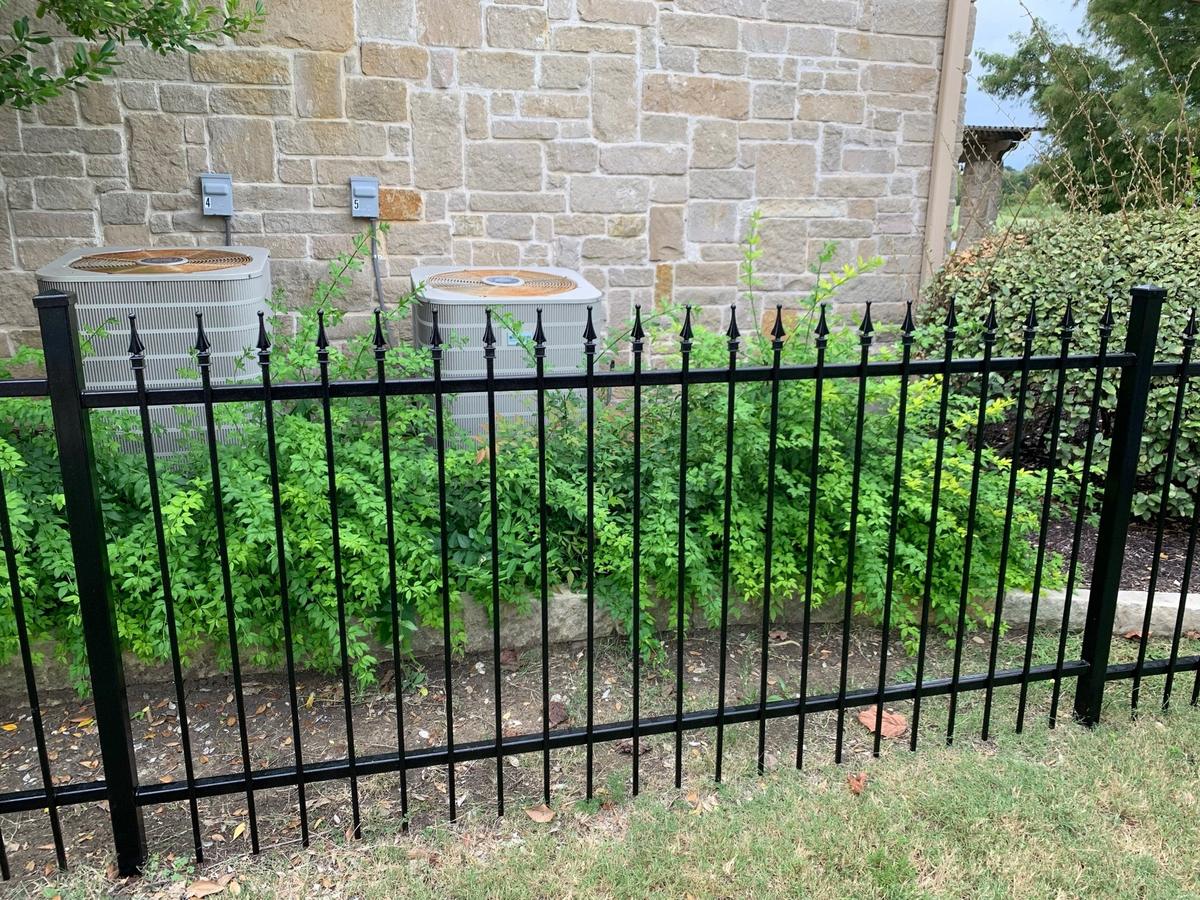
Brick, stone, planting and turf that need protecting while we work.
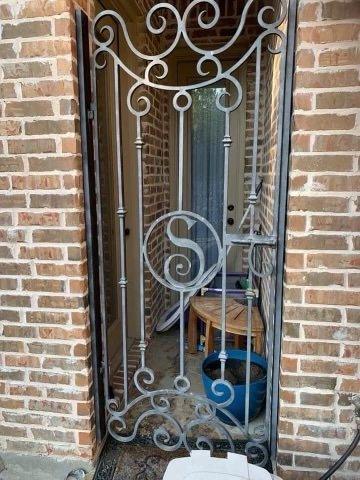
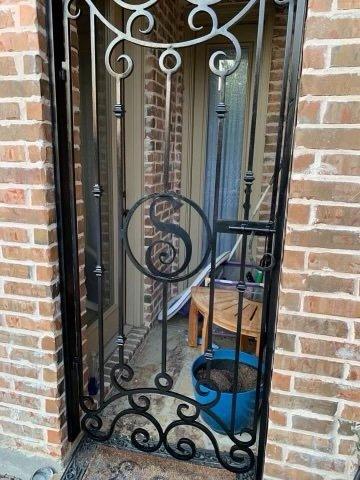
See the difference
The same fence before and after. Scraped back to sound metal, treated, and finished by hand.
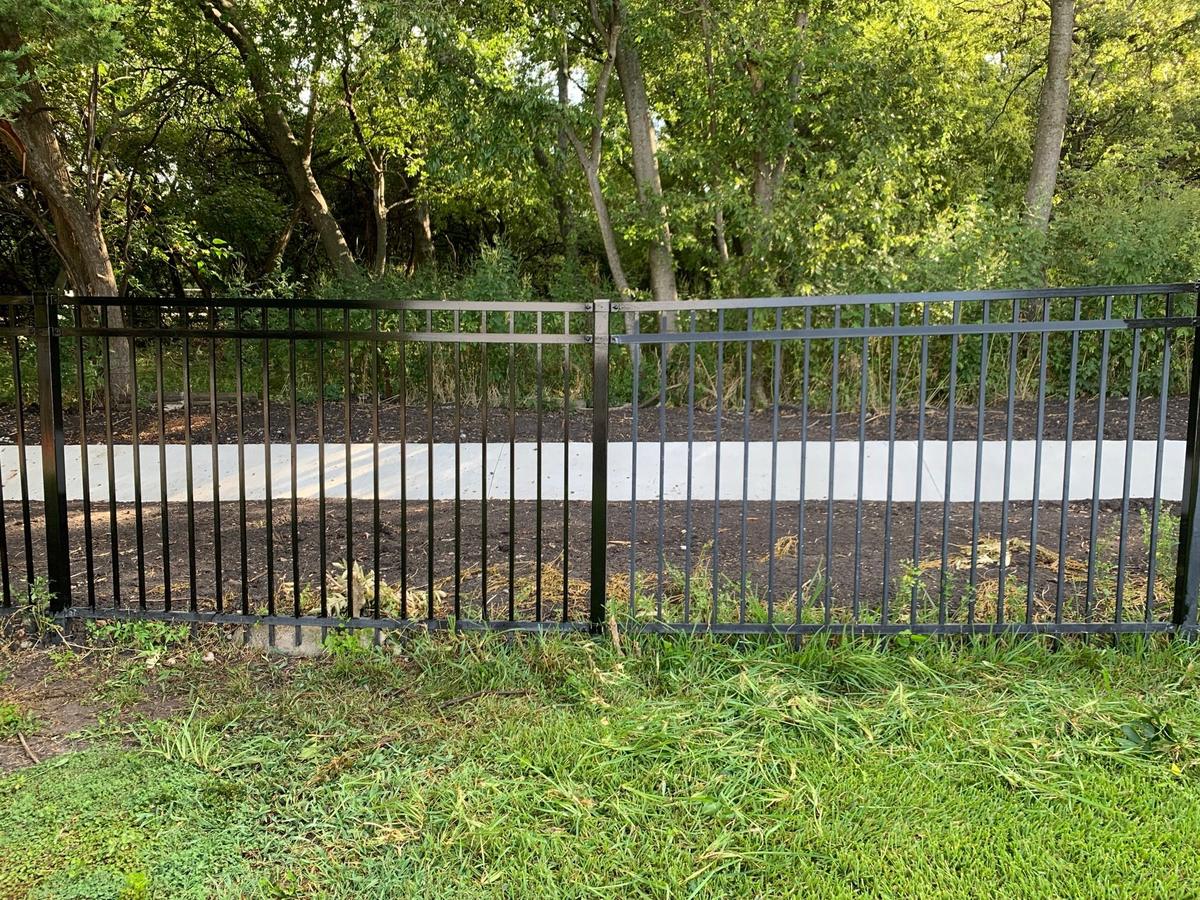
Why we hand-paint instead of spraying
Spraying is faster, and that is the whole of its appeal. It lays the paint on thin, which is why sprayed fences start flaking after a season or two. It also gets everywhere — grass, brick, whatever happens to be behind the fence.
Painting by hand takes longer. It also works the paint into the joints and weld seams where rust actually starts, and puts down enough film thickness to last. That is the trade we make, and it is why the work holds up.
- Oil-based Rust-Oleum with a rust inhibitor.
- Brushed on thick — one hand-applied coat is closer to two or three sprayed.
- Works into joints, weld seams and scrollwork where rust begins.
- No overspray on brick, planting or turf.
How we paint a wrought iron fence
Prep
The crew works the whole run with scrapers and hand wire brushes, taking off every bit of flaking and failing paint back to sound metal. Paint over loose material and it lifts within a season, so this stage takes the time it takes.
Rust treatment
Surface rust is taken back before anything goes over it. Where rust has gone right through, that metal is cut out and new welded in first — paint does not fix structure.
Masking
Brick, stone, planting and turf get covered before a brush is opened. Hand painting keeps overspray off everything nearby, and the masking handles the rest.
Paint
Everything is brushed by hand with oil-based Rust-Oleum containing a rust inhibitor. Applied that way it lays down thick and reaches into the joints and seams a sprayer skips.
Walkthrough
Before the crew leaves, they walk the fence with you. Anything that is not right gets put right while they are still on site.
Get a free estimate
Send a few photos of the fence or have us out to look at it. We will tell you whether it needs paint, metal work, or both.
Common questions about iron fence painting
What paint do you use on iron fences?
Oil-based Rust-Oleum containing a rust inhibitor, applied by hand.
Why do you not spray?
Spraying lays the paint on thin, which is why sprayed fences start flaking after a season or two. It also gets paint on grass, brick and anything else behind the fence. Brushing puts down a much thicker film and works the paint into joints and weld seams where rust starts.
Do you remove rust before painting?
Always. Surface rust is scraped and taken back to sound metal first. Rust that has eaten right through needs the bad metal cut out and new welded in before any finish goes on.
Can you just paint over the existing paint?
Only where the existing coat is still sound and bonded. Anything lifting, blistering or chalking has to come off, or the new paint lifts with it.
Will you get paint on my brick or plants?
No. Surfaces and planting are masked before we start, and hand painting keeps overspray off everything nearby in the first place.
How long does the finish last?
Years, when the prep is done properly. Almost every early failure we are called out to fix comes down to paint applied over material that was not sound, or sprayed on too thin.
How long does it take to paint a fence?
Most jobs run one to three days start to finish, depending on the length of the run and how much prep the metal needs.
Can you repair and paint at the same time?
Yes, and usually that is the sensible order. Any welding, post work or metal replacement happens first, then the whole run gets finished together so the colour and sheen match.
Do you paint iron gates and railings too?
Yes. Gates, railings, fence panels and ornamental ironwork all get the same preparation and the same hand-applied finish.
Do you work with HOAs and property managers?
Yes, regularly. We handle long community perimeters and multi-unit properties, and keep the finish consistent across the whole job.
What is the best way to paint a wrought iron fence?
Preparation decides it, not the paint. Every flake of loose material and every bit of rust has to come off until you reach sound metal, or the new finish lifts with the old one underneath. After that, an oil-based paint with a rust inhibitor, worked in by hand so it reaches the pitted areas and the joints. Spraying looks quicker and fails first, because it bridges over pitting instead of filling it.
What kind of paint should I use on a rod iron fence?
Oil-based, with a rust inhibitor. We use Rust-Oleum. Water-based paints struggle on exterior iron in North Texas heat, and anything sprayed on without proper preparation will flake within a season or two.
Can I paint over rust?
Not if you want it to last. Paint over rust and the rust keeps working underneath, then lifts the new finish off in sheets. Surface rust has to be taken back to sound metal first. Where rust has eaten through, that section needs cutting out and new metal welded in before any paint goes on.
How often does an iron fence need repainting?
It depends on exposure. Sun, sprinklers and ground moisture all wear a finish down, so a fence along a lawn line with sprinklers on it will need attention sooner than one on a dry side. Rather than putting a year count on it, we suggest looking at it annually and touching up where the finish has worn thin, which is far cheaper than a full repaint.